From Five-Star Hotels to Hostels: Rethinking Lodging, Space, and People
These past few days, a youth hostel that some friends and I have been preparing in Bangkok has entered the soft-furnishing stage. To begin with, this was a business. From first joining the project, through renovation, equipment purchasing, cost control, and operational planning, to the promotion and management that will follow, I have always thought about it from an operator's point of view.
How many beds does a youth hostel need? How do you keep the up-front investment under control, ensure hygiene and service quality, raise occupancy, and keep the business running sustainably? These are all very practical questions. In the last couple of days, though, something happened that surprised me.
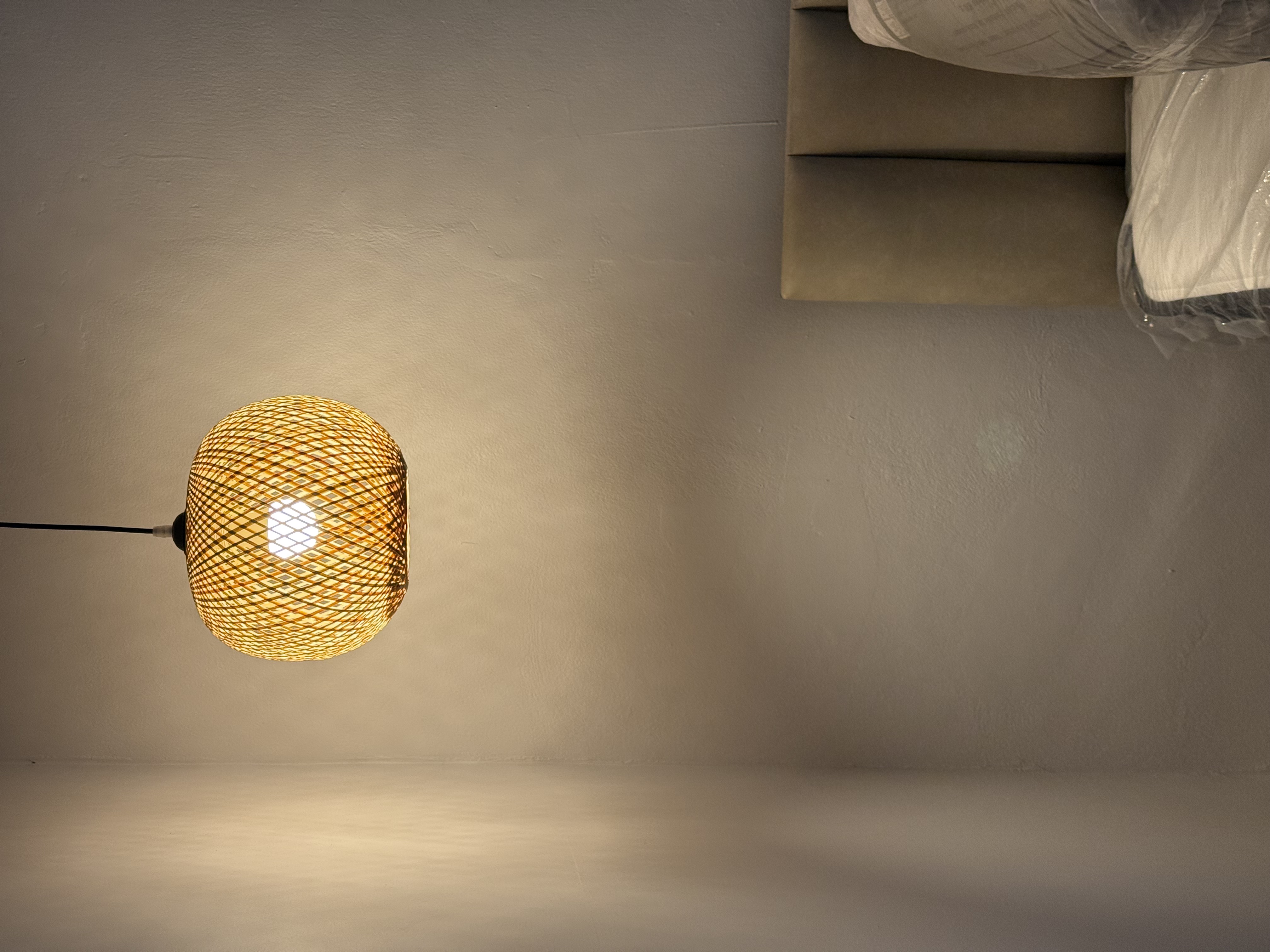
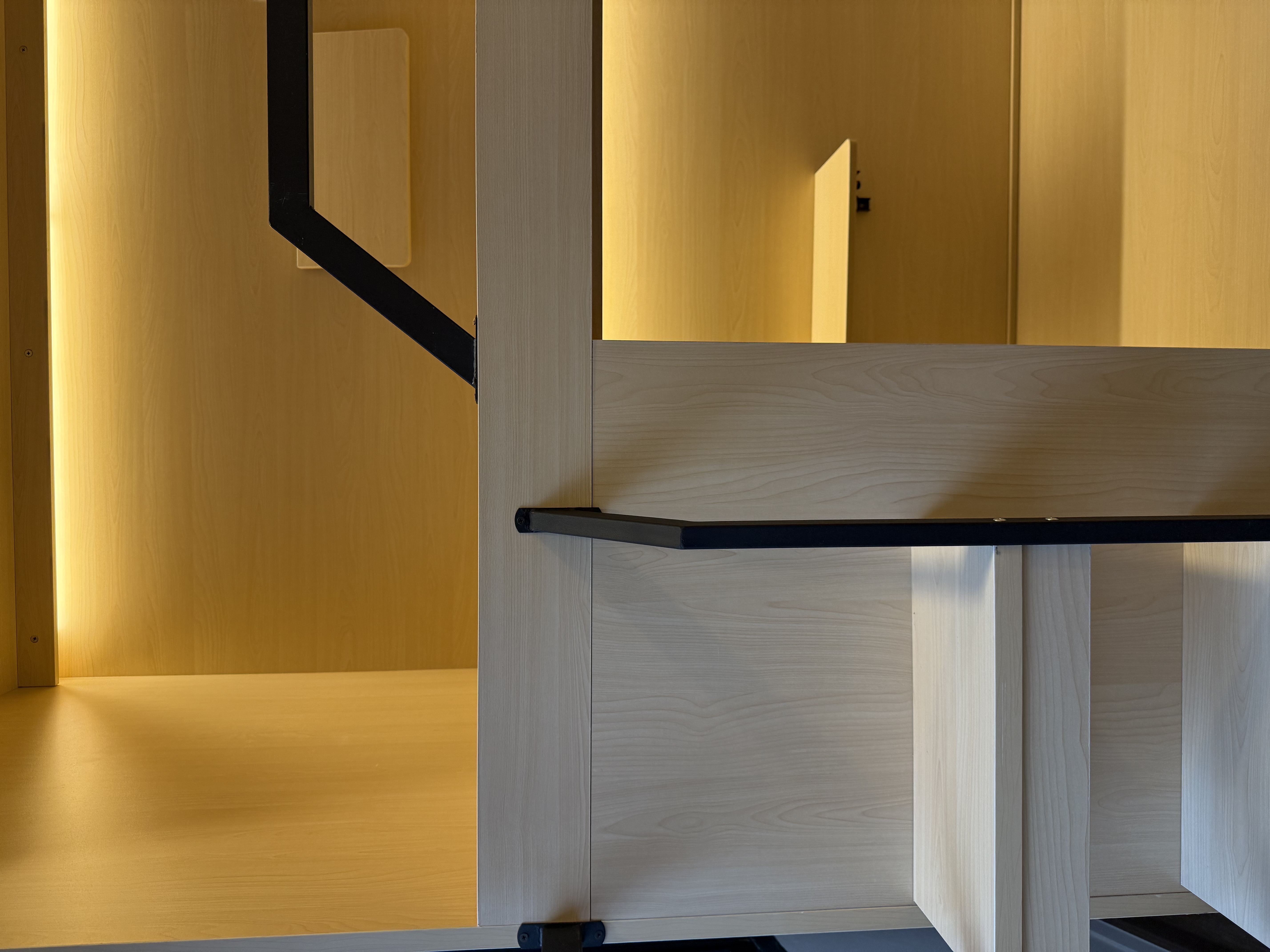
I lay down in one of the bunks. It is an enclosed sleeping space built of light-coloured wooden panels. The bunk has its own light, a small shelf beside it, and a curtain at the entrance that can be drawn closed. The bed has no superfluous decoration; the wooden walls are clean, and warm light falls across the bed boards.
I sat down, then stretched out my legs and lay inside. Suddenly I felt a very particular calm, a very direct sense of safety coming from my body and its surroundings. I wondered: why would a bunk like this, small in area, simple in its fittings, even in a room shared with other people, make me feel so at ease?
In my past travels and work, like many people, I was more used to choosing five-star chain hotels. Well-known hotel groups usually have relatively mature service standards. Room size, bedding, cleaning, facilities, security management, and service procedures can all offer a certain degree of certainty. Especially in an unfamiliar city, a chain hotel's brand means familiarity and predictability.
The higher a hotel's rating, the more complete its facilities and the more attentive its service, which usually means a better stay. But in these last two days, for the first time, I realized so directly that the grade of one's accommodation and the rest a person actually gets are not entirely the same thing.
A five-star hotel can provide excellent material conditions, but those conditions do not automatically turn into calm. And a bunk with only a few square metres of usable space can also bring unexpected relaxation.
Only in the last few years have I realized that I am actually very afraid of loneliness, and that I have little sense of security. In this small space, wooden panels enclose most of the sleeping area, and a curtain separates the bunk from the shared space. Although the whole room is shared by several people, lying inside, the space one directly feels is relatively one's own.
It is simple enough. A bed, a lamp, a shelf, and almost nothing else. There is no need to move around among complicated furniture, nor to face too much visual information. The light wood grain and warm light keep the space visually consistent.
One more thing matters a great deal: I can decide freely what I do in there. I can lie down, look at my phone, read, or simply sit quietly. Whether the curtain is drawn, whether the light is on, what posture my body takes: all of it is up to me.
Environmental psychology has a concept worth borrowing here, called Prospect and Refuge: the view outward, and shelter. It concerns how people in an environment seek, at the same time, a perception of the outside world and a space where they are protected. This bunk is clearly closer to the experience of refuge. It does not require a person to cut themselves off from the outside entirely, but through its relatively enclosed structure it reduces the outside environment's direct intrusion on the individual. For me, a space formed by boundaries, simplicity, and personal control together really did bring comfort.
I know now that whether a space lets a person rest depends not only on how much it provides, but also on how much it lets a person temporarily not have to face.
People usually think of lodging as a service. A hotel provides a room, the guest pays for it, and gets the right to use it for a certain period. The industry uses metrics such as occupancy rate, average daily rate, and revenue per available room to measure how lodging products perform. These metrics are very important, but they cannot fully explain why a person needs a room.
Functionally, lodging solves the problems of sleeping at night and staying somewhere temporarily. But rest involves a great deal more. A person may have done no strenuous physical work all day and still feel exhausted. Work arrangements, social interaction, family matters, incoming information, and all the judgments one must constantly make can take up a great deal of attention. Especially in city life, we are rarely truly in a state where we don't have to respond to anything. The phone may ring at any moment, and the line between work and life grows ever blurrier. Family can of course provide safety and belonging, but it is also a continuously running organization of daily life.
When youth hostels came up in the past, the first things I thought of were backpackers, young travelers, low-budget travel, and shared accommodation. That has long been the hostel's typical market image.
As urban lifestyles change, people's needs for temporary spaces are changing too.
Someone who works in the city may not need a second complete home, yet may want, now and then, a place to be alone. A traveler who has been on the move for a long time may not need a luxurious hotel lobby, but may care a great deal about whether the bed is clean, whether there is enough privacy, and whether they can rest quietly. A freelancer may want to stay in different parts of the city at low cost and experience different kinds of urban life. And some people may simply want to leave a familiar environment for a while and give themselves a stretch of time they can arrange as they please.
These needs do not necessarily point to youth hostels, but a youth hostel could become a form of lodging that meets some of them. Particularly when it no longer competes purely on low prices and high-density beds, but also pays attention to spatial design, hygiene management, privacy, and safety, the situations in which it might be used may change as well.
For women traveling alone, guests who need particular accessibility features, or people who are very sensitive to noise, actual security management, facilities, and house rules may matter more than the visual design of the bunks. Whether youth hostels can meet the rest needs of more city dwellers will ultimately have to be tested by real guest feedback and spending behavior.
But at least one thing has already changed in my understanding: a youth hostel need not be defined only as a low-cost form of travel accommodation. It may also be an urban spatial product worth studying further. This shift has direct significance for the hostel project I am part of, too.
In the past, as someone involved in running it, I would first care about the number of beds, utilization, construction costs, and operating expenses. These are basic questions no lodging business can avoid. But after lying down in a bunk myself, I began to notice other details.
With the curtain drawn, is there still enough air circulation?
When you lie down, does the light shine straight into your eyes?
Is the shelf placed conveniently for a phone, glasses, and a water glass?
When you climb in and out of the bunk, do you disturb other guests?
When someone enters the room late at night, will it wake those already asleep?
Are the lockers secure? Is the bedding easy to clean and change? Can the hostel keep up good hygiene consistently?
These questions seem small, but together they determine what it is really like to stay here.
What's more, they often cannot be solved simply by increasing the renovation budget. Sometimes placing a lamp sensibly is worth more than buying an expensive decorative piece. A shelf that is easy to use, a curtain that closes smoothly, a reliable cleaning routine: any of these can directly improve how guests feel.
A good lodging product requires the operator to truly understand how guests use it, not just how products are categorized in the market. We can show in photos how beautiful a hostel is, and we can attract bookings with price. But once guests check in, what really determines their experience is usually countless concrete details of daily life.
Text: Leo | Cultural Observations
Originally published in Chinese on leozhao.net as 从五星级酒店到hostel:重新理解住宿、空间与人的关系.